I grew up on Florida’s east coast.
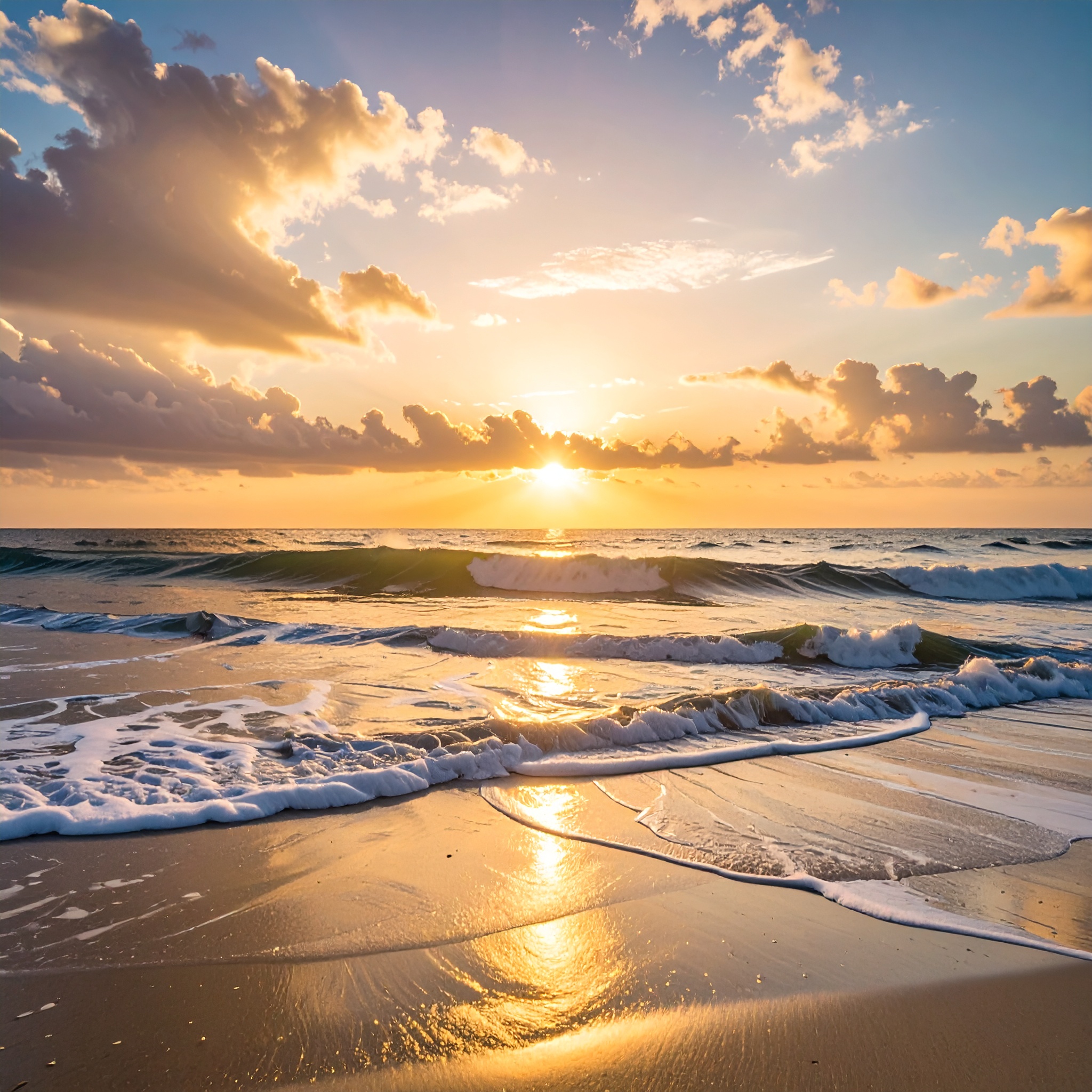
I didn’t surf much, but I learned early how to watch the water.
You don’t stare at the foam at your feet.
You look out—way out—scanning the horizon for sets.
Some sets roll in with two or three waves. Others come longer, each wave building: a little bigger, a little cleaner, a little more defined than the last. The first might break awkwardly. The second shapes up. The third often carries the real weight.
That’s how the ocean teaches patience.
And discernment.
History moves the same way.
It doesn’t arrive in a single, dramatic event. It builds offshore, quietly, over decades. You only feel the energy once the waves start lining up.
For me, the swell began forming in the late 1940s.
Israel reborn.
A postwar generation born almost simultaneously.
Two forces rising together, far from shore, barely noticeable at first.
That generation grew up as the modern world did—institutions solidifying, borders stabilizing, assumptions hardening. From a distance, the ocean looked calm. Predictable. Manageable.
But swells don’t vanish just because the surface is flat.
As years passed, the sets became clearer.
One wave: Cold War tension.
Another: regional wars that never truly resolved.
Another: globalization stretching systems thin.
Then newer ones—technology accelerating consequence, populations aging, leadership growing older while the future narrowed beneath their feet.
Each wave alone seemed survivable.
Together, they told a different story.
The ocean was building.
Now the sets feel tighter.
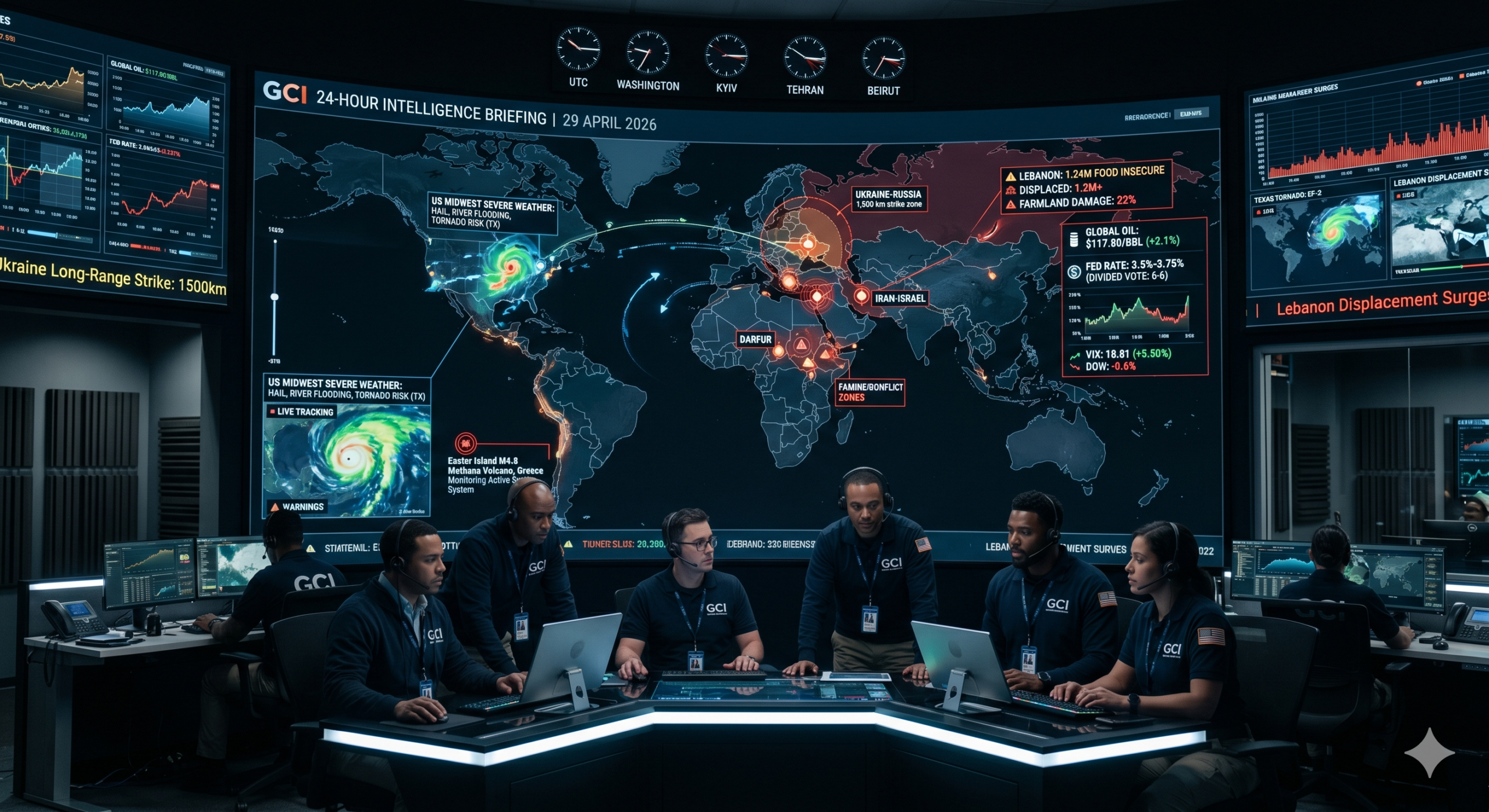
Russia isn’t just fighting a war—it’s fighting time. A shrinking population. A narrowing future. Soldiers younger than the system commanding them. Leaders old enough to remember a world that no longer exists. Mass surrenders are surging despite pay offers and coercion; Ukraine’s “I Want to Live” program turns manpower into a liability, exposing cracks in the grind.
Iran carries a different rhythm but the same pressure. A young population trapped under an aging regime. Economic strain. Social exhaustion. Loud defiance masking quiet fragility. Nationwide protests rage on, met with brutal crackdowns—thousands dead, blackouts, threats of executions—revealing a regime clinging to control as the generational swell builds beneath.
These aren’t confident powers riding clean waves from deep water.
They’re systems caught where the shelf rises fast and room to maneuver disappears.
Anyone who’s stood on a beach long enough knows what that means.
When the water runs out of depth, the wave doesn’t negotiate.
It breaks.
This is where the idea of a final generation stops feeling abstract.
If a generation measures seventy or eighty years, the swell that formed in the late 1940s has traveled most of its distance. The leading edge has already broken. The rest of the set is close behind.
That doesn’t mean panic.
It doesn’t mean date-setting.
It means recognizing where you stand.
Surfers who misjudge sets don’t usually fail because they missed a wave.
They fail because they didn’t see the pattern—because they thought the first or second wave was all there was.
The experienced watcher doesn’t chase every breaker.
She waits.
Watches.
Times her footing.
Time will tell, the way the ocean always does.
But time also runs out—quietly, faithfully, without drama.
If this is the generation spoken of, we’re not waiting for the swell to form.
We’re watching the last waves in the set line up—cleaner, more aligned, carrying more energy than those before.
And if history stretches longer?
Then standing steady, eyes on the horizon, was never a mistake.
Because the goal was never to predict the crash—
only to understand the water we’re standing in.
I’m Wayne — and that’s my world view.
What’s yours?