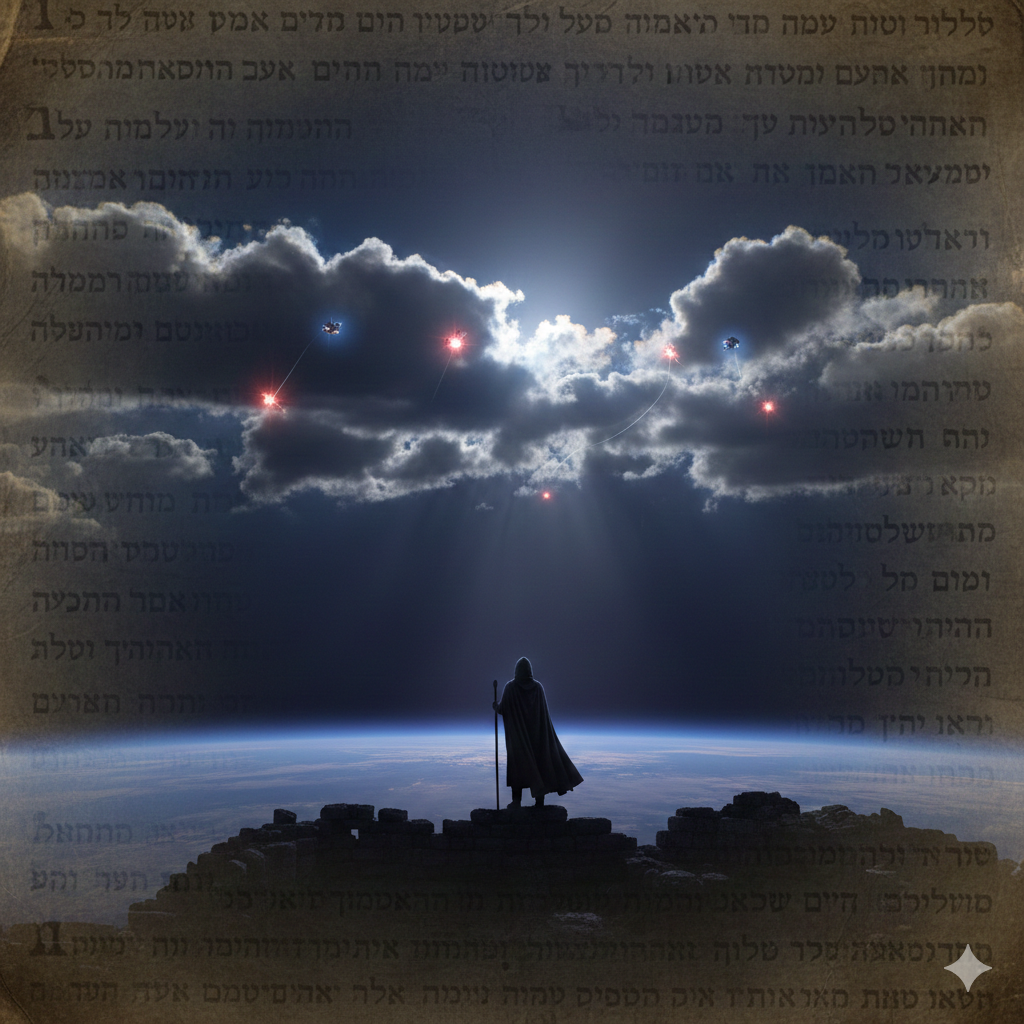
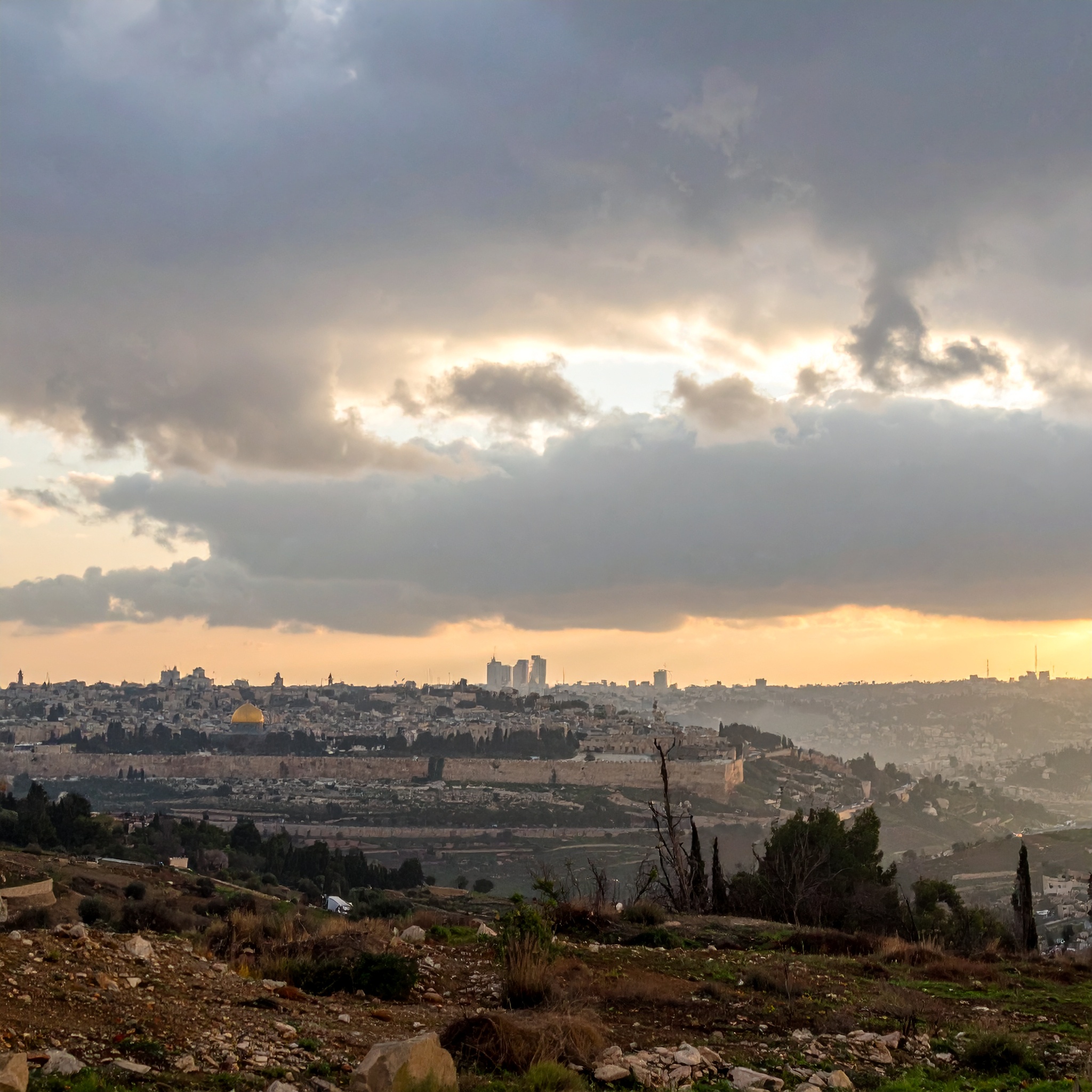
For years, I assumed the silence in Ezekiel 38—when no nation comes to Israel’s defense—meant obvious abandonment: alliances collapse, friends vanish, even longtime partners stand aside.
Before going further, one clarification matters. This reflection is not a prediction, a warning of imminent dates, or a claim to special insight. It’s an attempt to read an ancient text carefully while paying attention to observable patterns in the modern world. Scripture deserves better than sensationalism—and current events deserve more restraint than panic.
That common interpretation—abandonment—may not actually be required by the text.
Ezekiel doesn’t describe nations conspiring against Israel. He describes their absence. A protest is voiced. No army moves. No coalition forms. The passage never explains why help doesn’t come—only that it doesn’t.
That silence is doing more work than we usually allow.
Much of the abandonment assumption rests on verse 13, where Sheba, Dedan, and the merchants of Tarshish ask, “Have you come to take spoil?” The verse is often read as a challenge issued before the invasion unfolds. But the text doesn’t require that timing. The question can just as plausibly be after-the-fact—a reaction voiced once events are already underway.
They don’t warn.
They don’t mobilize.
They don’t intervene.
They ask a question.
That sounds less like deterrence and more like realization—the moment when distant powers recognize what is happening, but too late to stop it. If the attack is sudden, that response makes sense. Trade powers don’t respond first with force; they respond with assessment, confusion, and delay.
Absence, in that light, doesn’t necessarily mean betrayal. It can mean shock.
There’s another detail in this chapter that’s easy to miss if we read it strictly through a modern geopolitical lens. Ezekiel does not frame this invasion as a carefully coordinated conspiracy. He frames it as compulsion. The language is unmistakable: “I will turn you about… I will put hooks in your jaws… I will bring you against My land.”
Whatever political calculations exist, they are secondary. The primary mover in the chapter is not Gog, not alliances, not secret planning—but the Lord Himself. The nations involved are not portrayed as masterminds; they are portrayed as being drawn.
That framing removes the need for elaborate theories. Confusion, hesitation, and silence don’t have to be explained as cowardice or betrayal. They can simply be part of the stage as it is being set.
What if the invasion Ezekiel describes isn’t the result of a long, obvious buildup, but a desperate strike—one that exploits distraction, diplomatic engagement, or disbelief? Not because the world refused to help Israel, but because the world assumed help wouldn’t be needed until it already was.
That possibility matters more today than it did even a decade ago.
History shows that regimes under severe pressure don’t always behave rationally. They gamble. They act suddenly. They strike before circumstances close in. Islamic militant groups have repeatedly chosen Jewish holy days for attacks—not for prophetic reasons, but for tactical ones. Holidays mean altered routines, divided attention, and symbolic impact. That’s history, not speculation.
Turkey’s posture only adds to the ambiguity. When alliances blur, response slows. When response slows, silence follows. Confusion doesn’t require conspiracy—only uncertainty.
Some object whenever Jewish feasts are mentioned in this context, so clarity matters. This isn’t date-setting. It’s pattern recognition.
None of this proves anything. And it shouldn’t be used to fuel fear or fix dates.
But it does offer a reading that fits both the biblical text and human behavior. Israel may stand alone in that moment not because the world rejected her, but because the world didn’t see it coming—and only realized what was happening once it was already underway.
The point isn’t to draw lines on a calendar. Scripture doesn’t require that—and history warns against it. What it does require is attentiveness. Ezekiel doesn’t describe a world that hates Israel into isolation. He describes a world that is absent when the moment arrives—and an invasion that unfolds not merely by human intent, but by divine permission.
Absence doesn’t always mean betrayal. Sometimes it means shock. Sometimes it means hesitation. Sometimes it means everyone assumed tomorrow would look like today.
This isn’t a call to fear. It’s a call to clarity. History moves quietly right up until it doesn’t. And wisdom isn’t found in guessing the hour—it’s found in recognizing the conditions.
I’m Wayne—and that’s my worldview. What’s yours?