There’s an old retail saying: the customer is always right. It was never meant as a statement of fact, but as a posture—one that prioritizes appeasement over accountability. Somewhere along the way, that mindset escaped the store and made its way into public policy.
I work at a major membership-based club store. There are different tiers, with a top-level membership that some customers believe grants special privileges—that they can park wherever they want, bend policies, or demand a full refund ten years later on a rusted-out grill.
Here’s the truth: we couldn’t care less what tier your membership is.
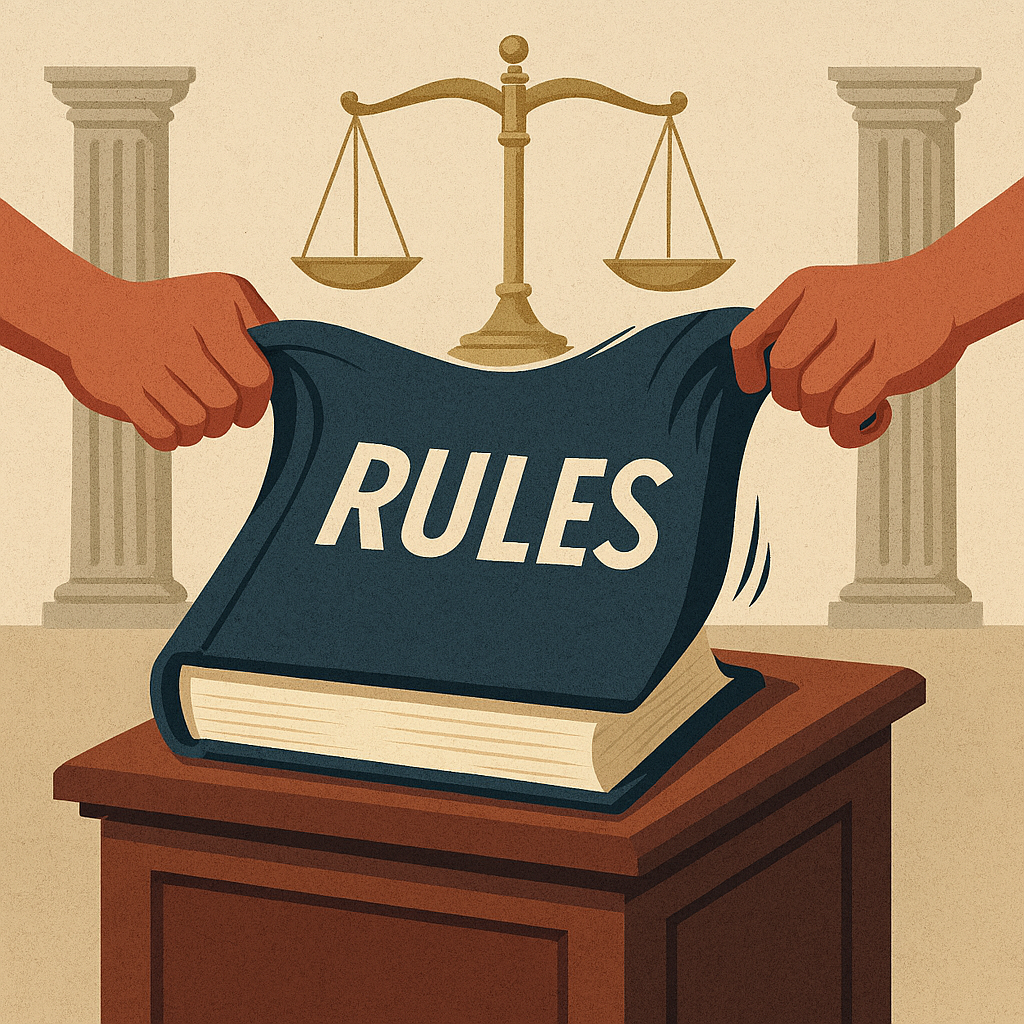
The rules are the rules. Membership buys access, not exemption. It doesn’t suspend common sense, accountability, or the limits of reality. These stores function precisely because standards are applied evenly. The moment exceptions become routine, the system breaks.
The unfolding Minnesota fraud stories in public assistance programs feel like a case study in what happens when accountability becomes conditional.
Let me be clear at the outset: fraud is fraud. It does not have an ethnicity. It does not have a religion. It does not become more or less serious depending on who commits it. The law, if it means anything at all, is supposed to be blind.
Recent federal probes have exposed massive alleged fraud across Minnesota programs like child nutrition (e.g., the $250M+ Feeding Our Future case), child care, Medicaid services, housing, and autism support. Up to 98 individuals face charges (with numerous convictions), and losses could reach billions—prosecutors estimate over $9B since 2018, including potentially half or more of $18B in certain Medicaid billings as fraudulent. (These upper-end figures are preliminary and contested by state officials.) This information draws from reliable sources including the U.S. Department of Justice, major news outlets, and government statements.
And yet, watching the public conversation unfold, it’s hard to ignore the pattern. Questions that would normally be asked immediately—Who approved this? Where was the oversight? Why were red flags ignored?—are treated as dangerous, even immoral, when the alleged offenders belong to groups seen as protected from scrutiny due to fears of bias or discrimination claims.
This is where the system begins to break.
When scrutiny is seen as prejudice, accountability dies. When oversight is framed as hostility, corruption finds oxygen. And when institutions become more afraid of optics than outcomes, the people who ultimately pay the price are not activists or bureaucrats—it’s taxpayers and the truly vulnerable communities these programs were meant to serve.
Ironically, this approach lowers expectations for the very groups it claims to defend. It substitutes protection from criticism for responsibility under the law. Don’t mistake that for justice.
There is another uncomfortable truth here: systems that cannot tolerate questioning inevitably attract those willing to exploit them. If you create an environment where auditors hesitate, journalists self-censor, and officials look the other way for fear of being labeled, you wind up with corruption not compassion.
And when fraud is finally exposed, the backlash is worse. Trust erodes. Legitimate aid programs come under fire. Communities that played no role in wrongdoing are unfairly painted with a broad brush. Everyone loses.
We should be able to hold two thoughts at the same time:
- Most immigrants are law-abiding.
- Fraud, when it happens, must be investigated fully and transparently—no exceptions.
Equality before the law is not oppression. It is the foundation of a functioning society.
That’s a lesson any large club store understands instinctively:
Access is not absolution. Status is not immunity. And rules that only apply sometimes aren’t rules at all.
The customer is not always right.
And no group—perceived as protected or otherwise—should ever be beyond accountability.
I’m Wayne – and that’s my world view. What’s yours?