A Wayne’s World View Reflection on Discernment
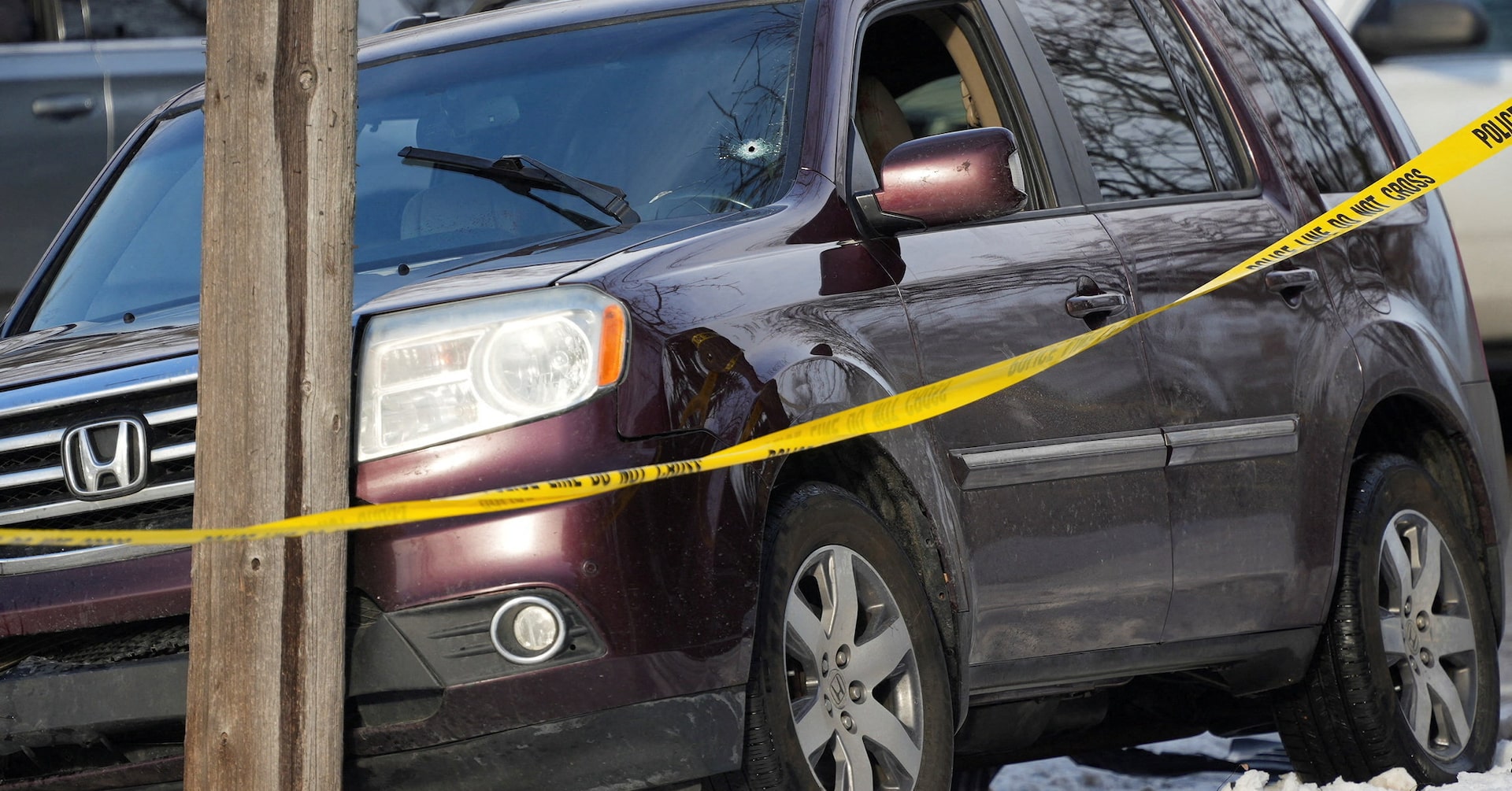
As the news cycle spins ever faster, our emotional reactions often race ahead of the facts. Tragic events break, fragmentary details surface, decontextualized images go viral—and before long, rigid narratives form while the truth remains elusive.
I’m as guilty as anyone.
When an early report aligns with my existing biases, I feel that familiar tug to embrace it—quickly, even eagerly. It’s a deeply human impulse. But it’s also profoundly dangerous.
The core problem in these moments isn’t just misinformation. It’s velocity without discernment.
Scripture offers a timeless caution:
“The one who states his case first seems right, until the other comes and examines him.” (Proverbs 18:17)
Modern media, however, prizes being first over being accurate. Social platforms reward certainty long before clarity arrives. A single image becomes an emblem. A headline becomes a verdict. Raw emotion becomes the final authority.
This is how outrage is manufactured—and how opportunists flourish.
That’s why calls to “dial down the rhetoric,” especially in the early hours, carry real weight. Not because legitimate criticism or accountability should be silenced, but because words shape reality. When language escalates faster than truth, it doesn’t merely inform—it inflames.
The Bible treats speech as morally weighty. James compares the tongue to a small spark capable of igniting a vast forest fire. Once dehumanizing language enters the discourse, violence is rarely far behind.
True discernment, then, is not passive. It demands active restraint.
It forces us to ask:
- What do we actually know right now?
- What remains assumption rather than established fact?
- Am I reacting to evidence—or to a narrative I want to believe?
Jesus instructed His followers to be “wise as serpents and innocent as doves.” That delicate balance feels increasingly rare today. Wisdom without innocence slides into cynicism; innocence without wisdom devolves into gullibility.
We are living in an age that demands discernment, whether we acknowledge it or not. The lines between truth and narrative, justice and vengeance, reporting and advocacy have grown perilously thin. Far from absolving us of responsibility, this reality heightens it.
This isn’t about left versus right.
It’s about truth versus impulse.
Light versus mere heat.
If we seek clarity, we must deliberately slow down. If we pursue justice, we must resist the pull of rage. And if we want to see clearly, we must—beginning with ourselves—question the first report, especially when it flatters our preconceptions.
These times call for discernment.
Not louder voices.
Not swifter judgments.
I’m Wayne – and that’s my world view. What’s yours?
But steadier hearts.