When Protest Crosses the Threshold
America was born in protest.
Forged in dissent.
Public disagreement isn’t a bug in the system—it’s the feature.
But America was also built on lines.
Lines that separate speech from force, expression from coercion, liberty from chaos.
One of those lines has always been clear: a house of worship is not a protest venue.
The First Amendment Has Boundaries — By Design
The Constitution protects peaceful protest in public spaces: sidewalks, streets, courthouses, government buildings, parks.
That protection is broad, intentional, and essential.
But it has never protected the right to enter a private or religious space and disrupt lawful activity.
That isn’t speech.
That’s interference.
Shouting from the sidewalk? Protected.
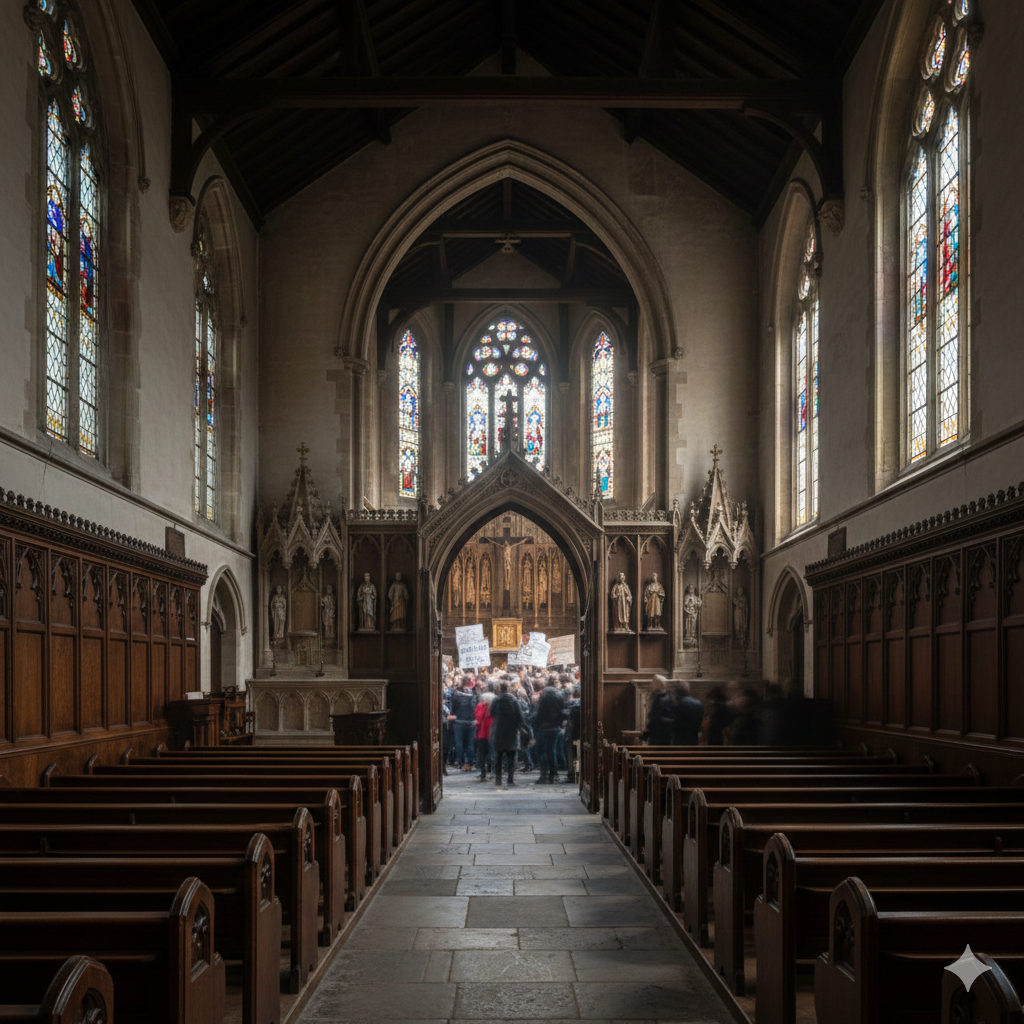
Marching into the pews mid-sermon, chanting over prayer, forcing the service to stop? That’s no longer persuasion—it’s prevention.
The moment a protest moves from outside to inside, it crosses from expression into obstruction.
From persuasion into intimidation.
From liberty into coercion.
That line is not political.
It is legal.
Protest vs. Pressure
There is a reason the law draws this distinction.
Peaceful protest says: “Hear us.”
Blocking the sanctuary, drowning out worship, forcing the service to stop—that says: “Submit—or else.”
Legal Opposition Exists for a Reason
America already provides lawful mechanisms to oppose religious institutions:
Zoning challenges
Permitting objections
Civil lawsuits
Regulatory appeals
You can challenge a church, mosque, synagogue, or temple in court.
You can argue your case publicly.
You can try to stop construction or expansion through legal means.
Those actions may be unpleasant.
They may be petty.
They may even be morally wrong.
But they are lawful.
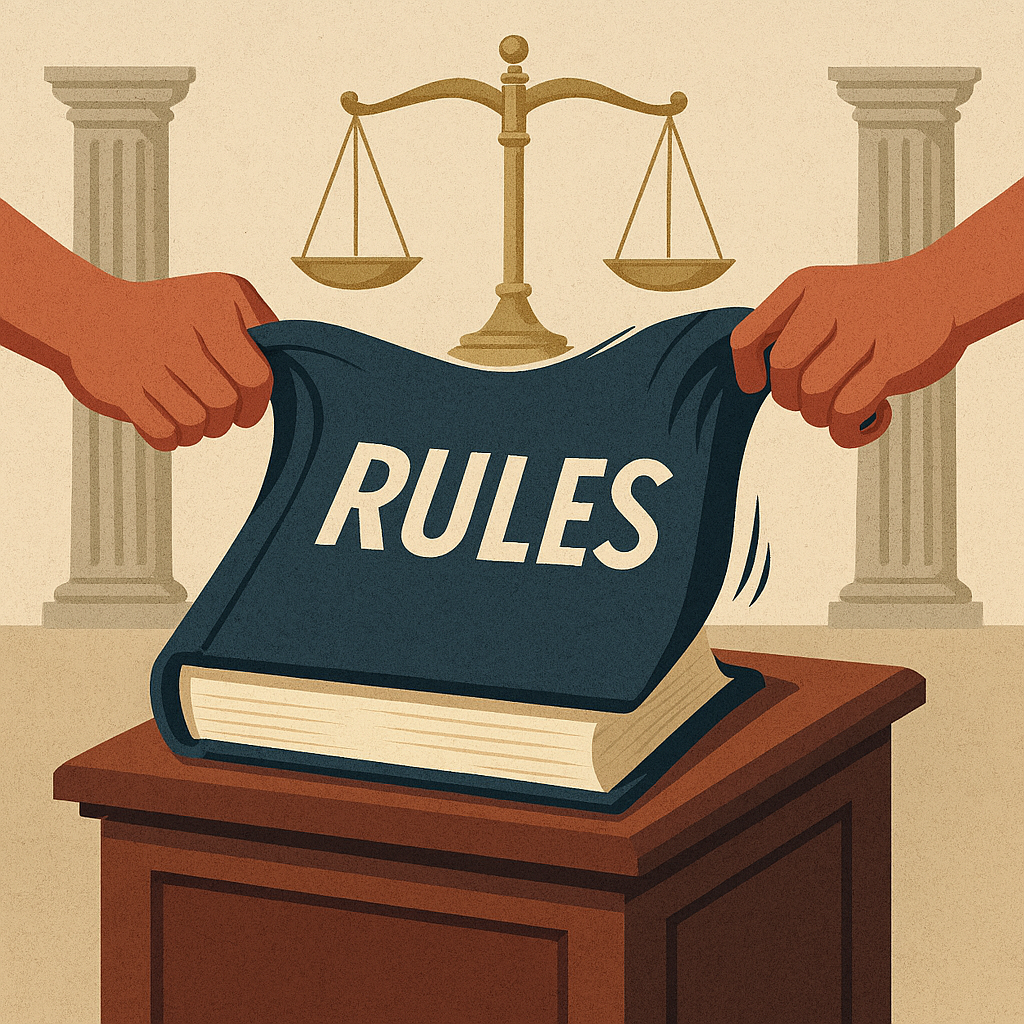
What is not lawful is bypassing the courts and substituting mob pressure for due process.
This Standard Protects Everyone — Especially Minorities
Some believe targeting Christian churches is justified because Christianity is “dominant.”
That argument collapses the moment you apply the same logic universally.
If disrupting worship is acceptable when you dislike the beliefs, then no faith is protected—only the currently favored ones.
The rule that shields a church service today is the same rule that shields a mosque tomorrow, a synagogue next week, a temple the week after.
Once that rule is broken, protection is no longer based on rights, but on power.
That is not progress.
That is regression.
The Real Question We Should Be Asking
The question is not whether protest is justified.
The question is: When did America decide that sacred spaces were fair game?
At what point did we decide that interrupting worship was an acceptable political tactic?
And why are we suddenly pretending that entering a sanctuary is the same as standing on a sidewalk?
Final Thought
You can champion free speech while safeguarding houses of worship.
You can back protest without endorsing intimidation.
You can challenge religious institutions without trampling their right to peaceful assembly and worship.
That balance is not extremism.
It is constitutional order.
And once we lose it, we won’t get it back by shouting louder.
I’m Wayne. And that’s my world view.
What’s yours?